
Your Guide to Preparing Your Miami Valley Roof for Storm Season
Living in the Miami Valley, we know that the weather can turn on a dime. From intense summer thunderstorms to the threat of hail and high winds, our homes are constantly put to the test. Your roof is the single most important line of defense against the elements, and ensuring it's ready for whatever storm season throws its way is crucial for protecting your home and family. At Black Timber Roofing, we believe that preparation is the key to peace of mind. This guide will walk you through the essential steps to assess your roof's condition and take proactive measures, so you can feel secure when the skies darken over Dayton.
Start with a Proactive Roof Inspection
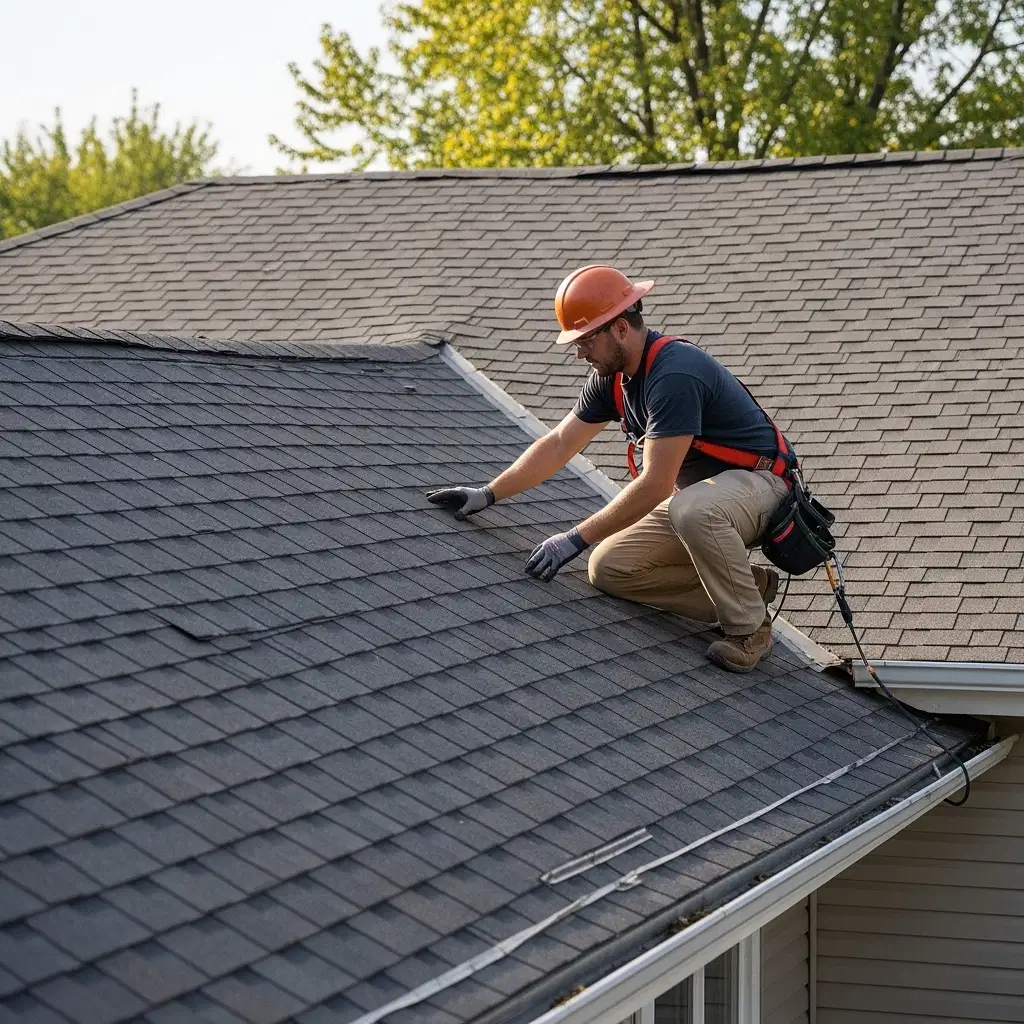
Many homeowners only think about their roof when a leak appears, but a proactive approach can save you significant stress and expense down the road. An annual inspection, especially before the peak storm season in late spring and summer, is one of the smartest investments you can make in your property. While a professional assessment is always recommended for a comprehensive check, you can perform a preliminary inspection from the ground.
What to look for from the ground:
- Shingles: Look for any shingles that are cracked, curling at the edges, or missing entirely. Pay close attention to the valleys and edges of the roof, as these are high-stress areas.
- Flashing: Check the metal flashing around chimneys, vents, and skylights. Ensure it appears flush and free of rust or gaps.
- Gutters: Notice any excessive buildup of shingle granules in your gutters. While some loss is normal, a large amount can indicate that your shingles are nearing the end of their lifespan.
- Stains or Moss: Dark streaks or moss growth can suggest trapped moisture, which may compromise the roof's integrity over time.
If you spot any of these warning signs, it's time to call in a professional. A thorough inspection can identify subtle hail damage or wind-lifted shingles that aren't visible from the ground, allowing for targeted repairs before a small issue becomes a major leak.
Identifying Common Storm Damage After the Fact
Even with preparation, severe weather can take its toll. Knowing how to identify wind and hail damage is critical for a timely insurance claim and repair. After a significant storm passes, it's wise to conduct another visual check of your roof and property.
Signs of Wind Damage: Wind doesn't always rip shingles completely off. It can lift them, breaking the sealant strip on the underside and leaving them vulnerable to future storms. Look for shingles that are creased, folded back, or have a horizontal line where the granules have been worn away. Missing shingles are the most obvious sign of significant wind damage.
Signs of Hail Damage: Hail damage can be tricky to spot. On asphalt shingles, it often appears as dark, random bruising or circular cracks where the granules have been knocked off, exposing the underlying mat. On metal flashing or gutters, you may see small, distinct dents. This kind of damage compromises the shingle's ability to protect your home from UV rays and moisture, shortening its lifespan.
If you suspect damage, documenting it with photos and contacting a trusted roofing contractor is your next step. We can provide a detailed assessment to determine if a simple repair is sufficient or if a full roof installation is the more durable, long-term solution.
Don't Overlook Your Gutters
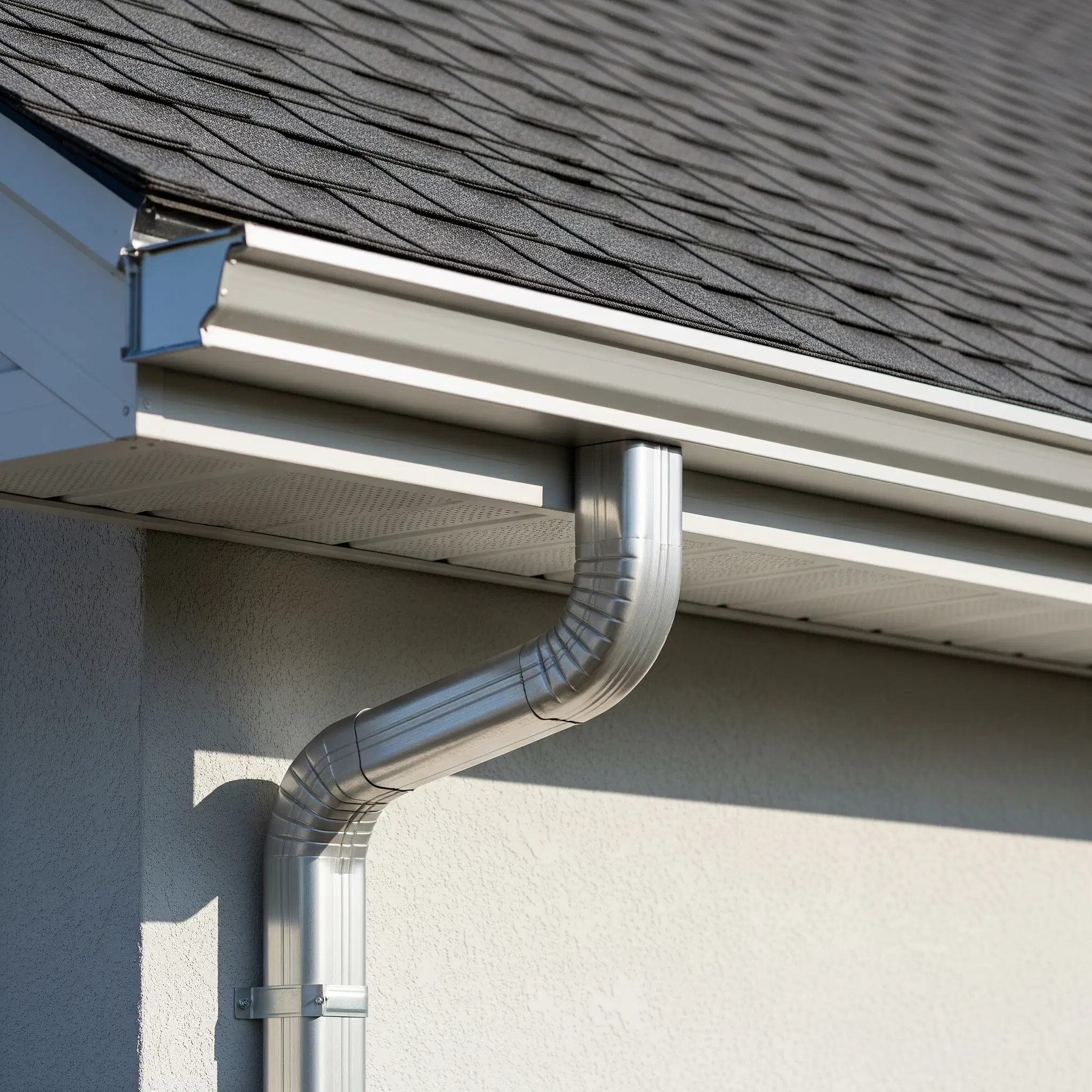
Your roofing system is more than just shingles; it includes your gutters and downspouts. This system is designed to channel thousands of gallons of water away from your home's foundation and siding. During a heavy downpour, clogged or damaged gutters can cause water to overflow, leading to soffit rot, landscape erosion, and even basement flooding.
Your pre-storm gutter checklist:
- Clear Debris: Ensure your gutters are completely free of leaves, twigs, and other debris so water can flow freely.
- Check for Leaks: Look for any drips or leaks at the seams or end caps, which may need to be resealed.
- Ensure Proper Pitch: Gutters should be sloped correctly toward the downspouts to prevent standing water.
- Secure Fasteners: Make sure gutters are securely attached to the fascia board and haven't pulled away from the house.
A functional gutter system is essential for protecting your entire home. If you're tired of the seasonal chore of cleaning them, investing in quality gutters and gutter protection can provide a permanent solution and safeguard your home year-round.
Build Your Storm-Ready Plan with a Trusted Partner
Being prepared means having a plan. Beyond inspecting your roof and gutters, consider trimming back any tree limbs that overhang your house and having a list of emergency contacts ready. The most important part of that plan is knowing who to call when you need help.
After a storm, the market can be flooded with out-of-town 'storm chasers' who may offer subpar work. Choosing a local, reputable contractor who understands the challenges of our regional weather is vital. We've seen the resilience of our community firsthand and believe in being a partner you can rely on, not just a service provider. We help our clients navigate the complexities of insurance claims and provide clear, honest communication throughout the entire process, from the initial inspection to the final cleanup.
Your home is your most significant investment. Taking these steps to prepare your roof for storm season ensures it remains protected. If you have any concerns about your roof's condition or need a professional opinion, the team at Black Timber Roofing is here to help our neighbors in the Dayton area. Contact us today to schedule a free, no-obligation inspection and gain the peace of mind you deserve.